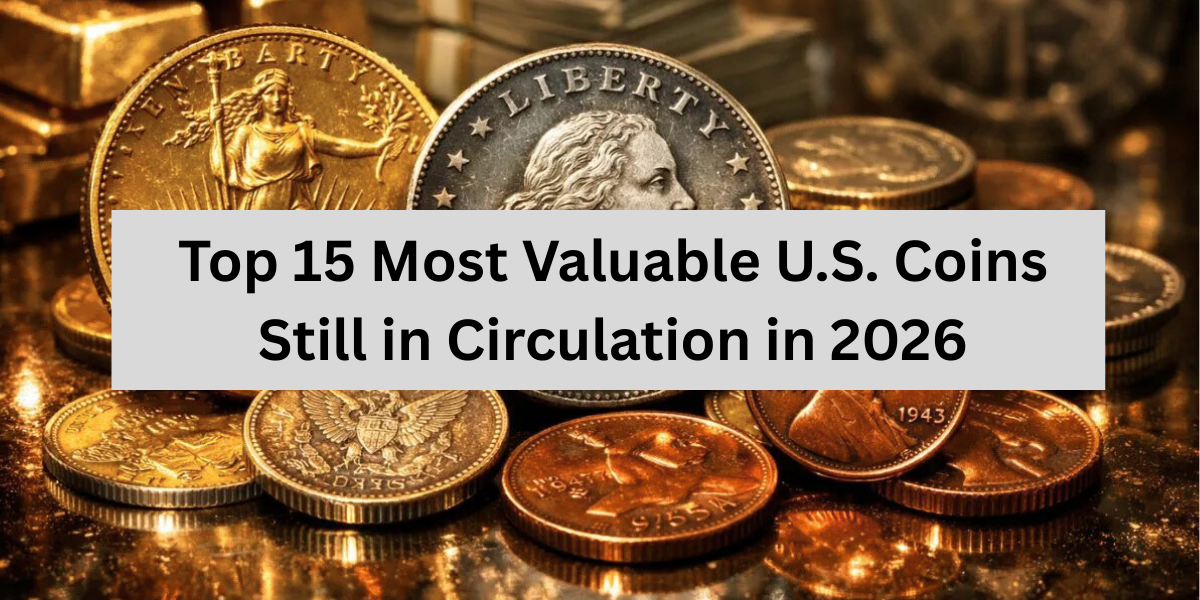
Many people believe that valuable coins can only be found in museums or private collections. But in 2026, some rare and valuable U.S. coins are still being found in everyday pocket change. That means the coins you receive at a grocery store or keep in a jar at home could be worth much more than their face value.
Coins become valuable because of minting mistakes, low production numbers, silver content, or high demand from collectors. In this simple guide, we list 15 valuable U.S. coins that are still occasionally found in circulation and explain what makes them special.
Why Some Circulating Coins Are Worth More
A coin may be worth more than its face value for several reasons:
- Minting errors (double letters, missing marks, design mistakes)
- Limited production (low mintage year)
- Silver or special metal content
- Collector demand
- Historical importance
The better the condition, the higher the value.
Top 15 Most Valuable U.S. Coins in Circulation (2026)
Below are 15 coins collectors are actively searching for this year:
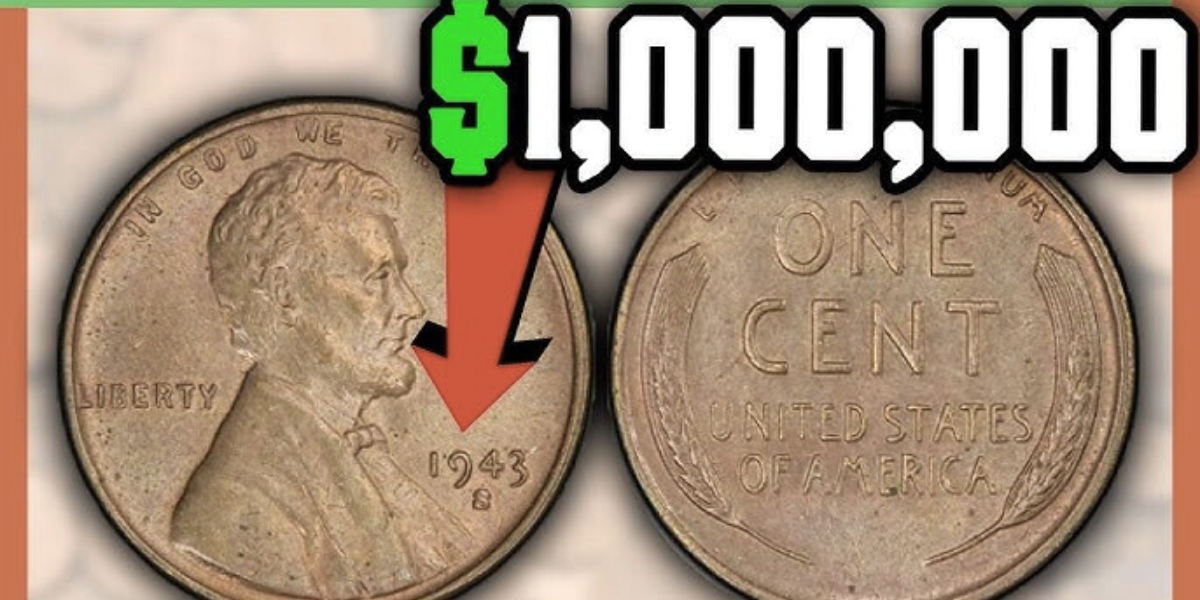
- 1943 Copper Penny
- 1955 Doubled Die Penny
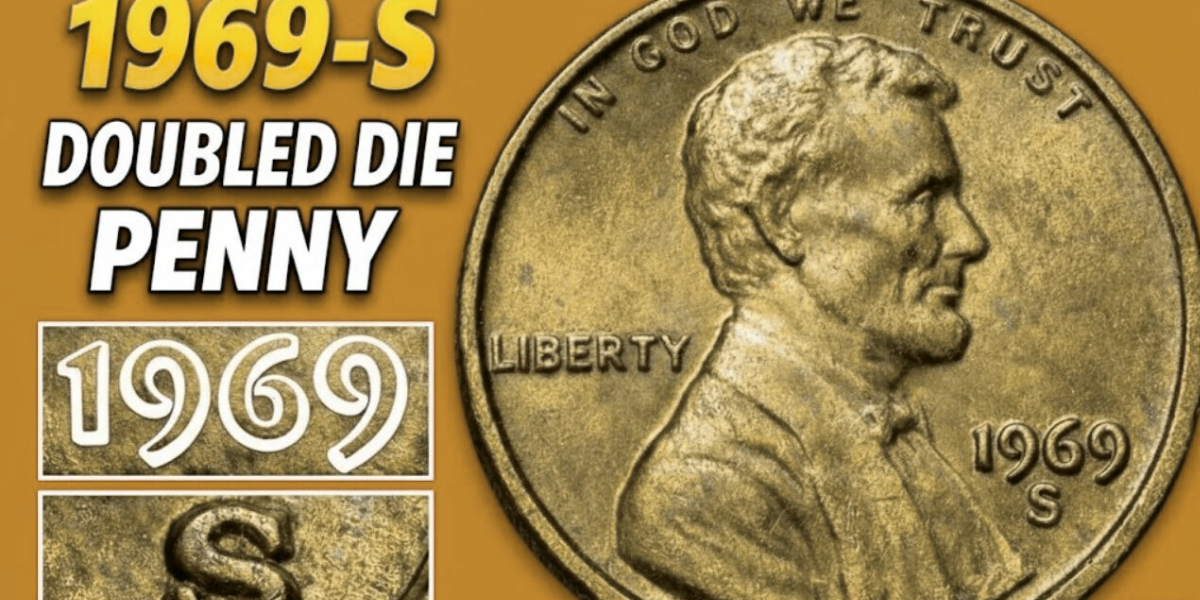
- 1969-S Doubled Die Penny
- 1972 Doubled Die Penny
- 1999 Wide AM Penny
- 1982 No Mint Mark Roosevelt Dime
- 2004 Wisconsin Extra Leaf Quarter
- 2005 Kansas “In God We Rust” Quarter
- 1970-S Small Date Penny
- 1983 Doubled Die Reverse Penny
- 1995 Doubled Die Penny
- 1965–1970 40% Silver Half Dollar
- 1964 Kennedy Half Dollar (90% Silver)
- 1916-D Mercury Dime
- 2000 Sacagawea “Cheerios” Dollar
Estimated Value Table (2026)
| Coin Name | Why It’s Valuable | Estimated Value Range |
|---|---|---|
| 1943 Copper Penny | Rare copper error | $250,000 – $1,000,000+ |
| 1955 Doubled Die Penny | Strong doubling error | $10,000 – $100,000 |
| 1969-S Doubled Die | Rare mint error | $25,000+ |
| 1972 Doubled Die | Visible letter doubling | $500 – $5,000 |
| 1999 Wide AM Penny | Spacing error | $400 – $2,000 |
| 1982 No Mint Mark Dime | Missing mint mark | $500 – $3,000 |
| 2004 Wisconsin Quarter | Extra leaf design error | $300 – $6,000 |
| 2005 Kansas Quarter | “Rust” error | $100 – $1,000 |
| 1970-S Small Date | Hard-to-find version | $500+ |
| 1983 Doubled Reverse | Back-side doubling | $200 – $3,000 |
| 1995 Doubled Die | Minor doubling | $300+ |
| 1965–1970 Half Dollar | 40% silver content | Silver value based |
| 1964 Kennedy Half | 90% silver content | $10+ depending on silver |
| 1916-D Mercury Dime | Low production | $1,000+ |
| 2000 Cheerios Dollar | Special early version | $2,000+ |
Values depend on coin condition and market demand.
Silver Coins Still Found in Circulation
Some coins are valuable mainly because they contain silver.
| Coin Type | Silver Percentage | Why Valuable |
|---|---|---|
| 1964 Kennedy Half Dollar | 90% | High silver content |
| 1965–1970 Half Dollar | 40% | Partial silver |
| Pre-1965 Dimes & Quarters | 90% | Melt value higher than face value |
Silver prices change daily, so coin value also changes.
How to Check If Your Coin Is Valuable
Follow these simple steps:
- Check the year on the coin.
- Look for a mint mark (D, S, or no letter).
- Use a magnifying glass to spot doubling or errors.
- Compare your coin with images from trusted websites.
- If it looks rare, send it to a grading company.
Official websites for verification:
- U.S. Mint: https://www.usmint.gov
- PCGS: https://www.pcgs.com
- NGC: https://www.ngccoin.com
Never clean your coin. Cleaning can lower its value.
Frequently Asked Questions (FAQs)
1. Are valuable coins really still in circulation?
Yes, although rare, some valuable coins are still found in everyday change.
2. How can I tell if my coin has a minting error?
Look for doubled letters, missing mint marks, or unusual design features using a magnifying glass.
3. Are all old coins valuable?
No. Age alone does not make a coin valuable. Rarity and condition matter more.
4. Should I clean a rare coin?
No. Cleaning reduces collector value and can damage the coin.
5. Where can I sell a rare coin?
You can sell through professional coin dealers, auctions, or certified marketplaces.
In 2026, coin collecting continues to grow because people are excited about the possibility of finding hidden treasure in everyday pocket change. While most coins are worth only their printed value, certain rare versions can be worth hundreds, thousands, or even millions of dollars. The key is paying attention to small details such as the year, mint mark, and design errors. Silver coins also carry extra value because of their metal content. If you believe you have found a rare coin, do not clean it and consider professional grading for accurate value. Checking your loose change regularly could lead to an exciting discovery. Even if you do not find a fortune, learning about coins is a fun and educational hobby that can turn small change into big opportunities.